What is TPO roofing?
TPO, or thermoplastic polyolefin, is a single-ply roofing membrane used for low-slope commercial roofing applications. TPO membranes have heat-welded seams and are designed to resist UV, ozone, and common rooftop chemical exposure. Elevate UltraPly TPO is available in several membrane configurations to meet different installation, project, performance, and building needs.
What are the benefits of a TPO roofing system?
The benefits of TPO roofing include a reflective surface, heat-welded seams, flexible installation options, and resistance to UV, ozone, and common rooftop chemicals. Depending on the Elevate TPO system selected, options are available for added puncture and impact resistance, self-adhered installation, induction-welded attachment, and extended warranty coverage.
How are TPO roofing systems installed?
Elevate offers several TPO roofing installation methods to fit different roof assemblies and project needs. Options include adhered and mechanically attached TPO systems, UltraPly TPO SA, a self-adhered TPO system with factory-applied Secure Bond Technology, and the UltraPly TPO InvisiWeld System, which uses induction welding to attach the membrane to specially engineered plates. The best method depends on the roof deck, roof assembly, building requirements, and project conditions.
What is the difference between TPO and PVC roofing?
TPO and PVC are both thermoplastic single-ply roofing membranes with heat-welded seams, but their formulas and performance traits differ. In a TPO vs PVC roofing comparison, TPO roofing is often chosen for its brightness, installation flexibility, and overall value. PVC roofing systems may be preferred for projects with more exposure to grease, chemicals, fire, puncture, or other harsh rooftop conditions. The right membrane depends on the building, roof assembly, and project needs.
Is TPO considered a cool roofing option?
Reflective TPO membranes can be part of a cool roofing system because they help reduce solar heat gain at the roof surface. Depending on climate, roof assembly, and building conditions, a reflective roof may also help reduce building cooling needs. Elevate UltraPly TPO is available in reflective colors, and select membranes meet applicable cool roof requirements and ratings.
How long does a TPO roof last?
The TPO roof lifespan depends on system design, membrane selection, installation quality, climate, rooftop conditions, and ongoing maintenance. Eligible Elevate TPO roof assemblies may qualify for Red Shield Limited Warranty coverage for up to 30 years, depending on the system and project requirements. Warranty term should not be treated as the same as expected roof service life.
What warranties are available for Elevate TPO roofing systems?
Eligible Elevate UltraPly TPO systems may qualify for Red Shield Limited Warranty coverage from five years up to a 30-year limited warranty. Available TPO roof warranty terms and coverage depend on membrane thickness, attachment method, roof assembly, and other project requirements. Consult current Elevate warranty requirements to confirm who qualifies and to review coverage details.
How do I choose the right Elevate TPO roofing system for my project?
The right TPO roofing system for you depends on a variety of factors such as building type, roof deck, climate, wind and hail exposure, installation requirements, rooftop traffic, and desired warranty coverage.
UltraPly TPO offers multiple attachment options for a wide range of low-slope commercial roofing applications. UltraPly TPO SA is well suited for occupied buildings or projects where faster, low-odor installation is a priority.
UltraPly TPO XR adds fleece-backed reinforcement and is a versatile option for recover applications over existing roof systems. An Elevate Sales Rep or roofer can find the best membrane and attachment method for the project.
# Summary This FAQ explains the key features, benefits, installation methods, warranty terms, and selection factors for Elevate UltraPly TPO roofing systems. It highlights TPO roofing as a reflective, single-ply commercial membrane with heat-welded seams and several attachment options. It also compares TPO vs PVC roofing, reviews cool roofing performance, and notes that roof service life depends on design, installation, conditions, and maintenance.

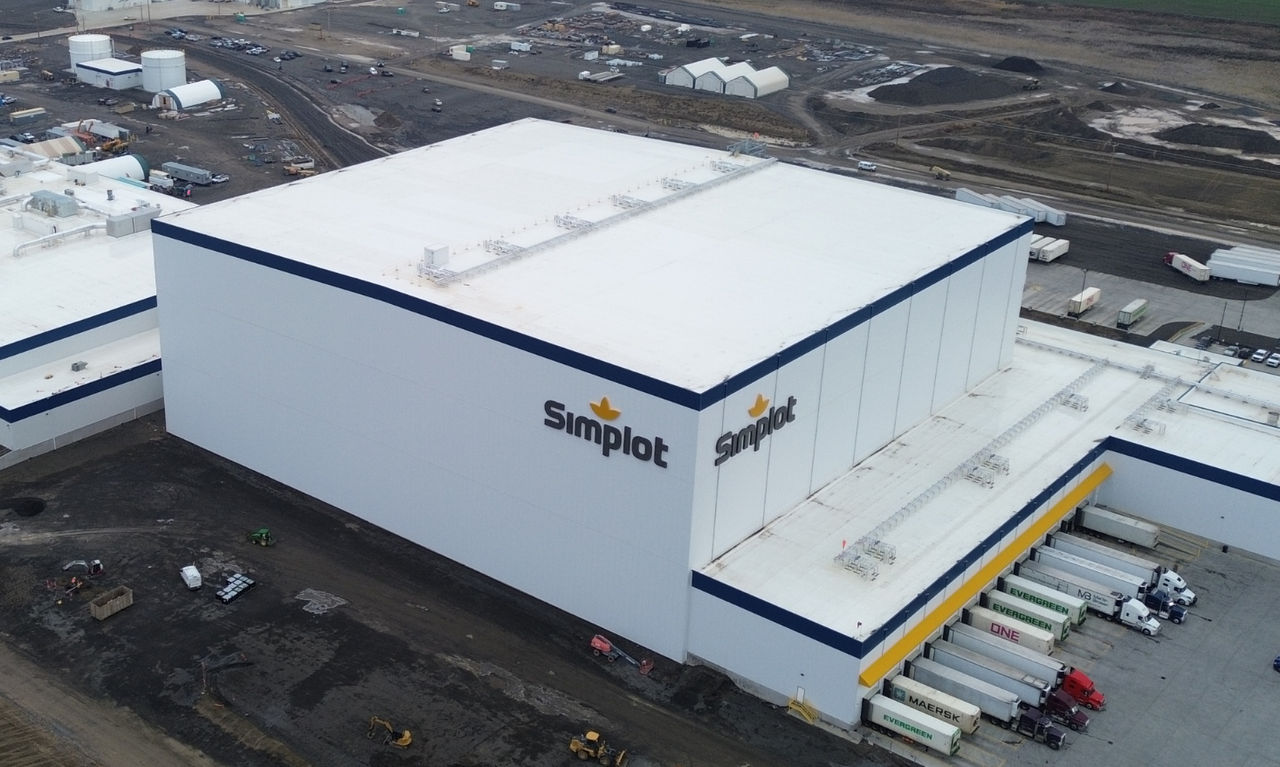


 TPO ROOFING PROJECTS


 Knowledge Center