What is PVC roofing?
PVC, or polyvinyl chloride, is a thermoplastic single-ply roofing membrane commonly used on low-slope commercial roofs. PVC roofing systems use heat-welded seams and are known for durability, reflectivity, and resistance to grease, chemicals, and fire. Elevate offers MAX PVC, MAX PVC XR, PVC KEE, and PVC KEE XR membranes for different building, installation, and performance requirements.
What are the benefits of a PVC roofing system?
PVC roofing systems can provide long-term performance through heat-welded seams, high solar reflectivity, and resistance to harsh chemicals, industrial oils, grease, and fire.
Versatile Membrane Options
- Reinforced Scrims: Built with an internal polyester weave to deliver high puncture resistance and tensile strength. Ideal for roofs with frequent foot traffic or severe weather exposure.
- Fleece Backing: XR Membranes feature a polyester backing that adds cushion. This allows for direct installation over rough substrates, asphalt re-roofs, or uneven insulation boards because of its increased tear resistance.
Adaptable Installation Methods
- Mechanically Attached: Fastened directly through the insulation into the roof deck using plates and screws. Fast and cost-effective for large commercial decks.
- Adhered: Bonded to the substrate using low-odor or water-based adhesives. Eliminates fastener penetrations, provides smooth aesthetics, and enhances wind-uplift resistance.
- Induction Welded (Invisiweld): Uses electromagnetic induction to weld the membrane directly to specially coated insulation plates below. Eliminates seam penetrations while distributing wind loads more evenly across the deck.
What is PVC KEE roofing?
PVC KEE is a PVC roofing membrane formulated with Ketone Ethylene Ester (KEE), a solid plasticizer that supports long-term plasticizer retention and membrane flexibility. Elevate PVC KEE is designed to resist grease, fuels, air-conditioning coolants, and other harsh chemicals, making it well suited for demanding commercial roofing applications.
What is the difference between PVC and TPO roofing?
PVC and TPO are both thermoplastic single-ply roofing membranes with heat-welded seams and reflective color options, but their formulations and performance characteristics differ. PVC may be preferred for applications with greater exposure to grease, chemicals, fire, puncture, or other demanding rooftop conditions. TPO is commonly selected for its combination of reflectivity, installation flexibility, and overall value. The most appropriate membrane depends on a variety of factors such as the building, roof assembly, and project requirements.
What is the difference between MAX PVC and PVC KEE?
MAX PVC and PVC KEE are both reinforced PVC roofing membranes, but they emphasize different performance characteristics. MAX PVC combines a strong weft-inserted scrim with substantial thickness over scrim for resistance to breaking, tearing, and punctures. PVC KEE uses a PVC and KEE formulation designed for dependable plasticizer retention, flexibility, and resistance to grease, fuels, and harsh chemicals.
What are PVC XR roofing membranes?
XR membranes add a fleece backing to the reinforced PVC membrane. MAX PVC XR provides added puncture resistance and installation versatility, including use in recover applications. PVC KEE XR combines the PVC KEE formulation with polyester reinforcement and fleece backing for added on-roof strength and to help limit damage from punctures.
Where is PVC roofing commonly used?
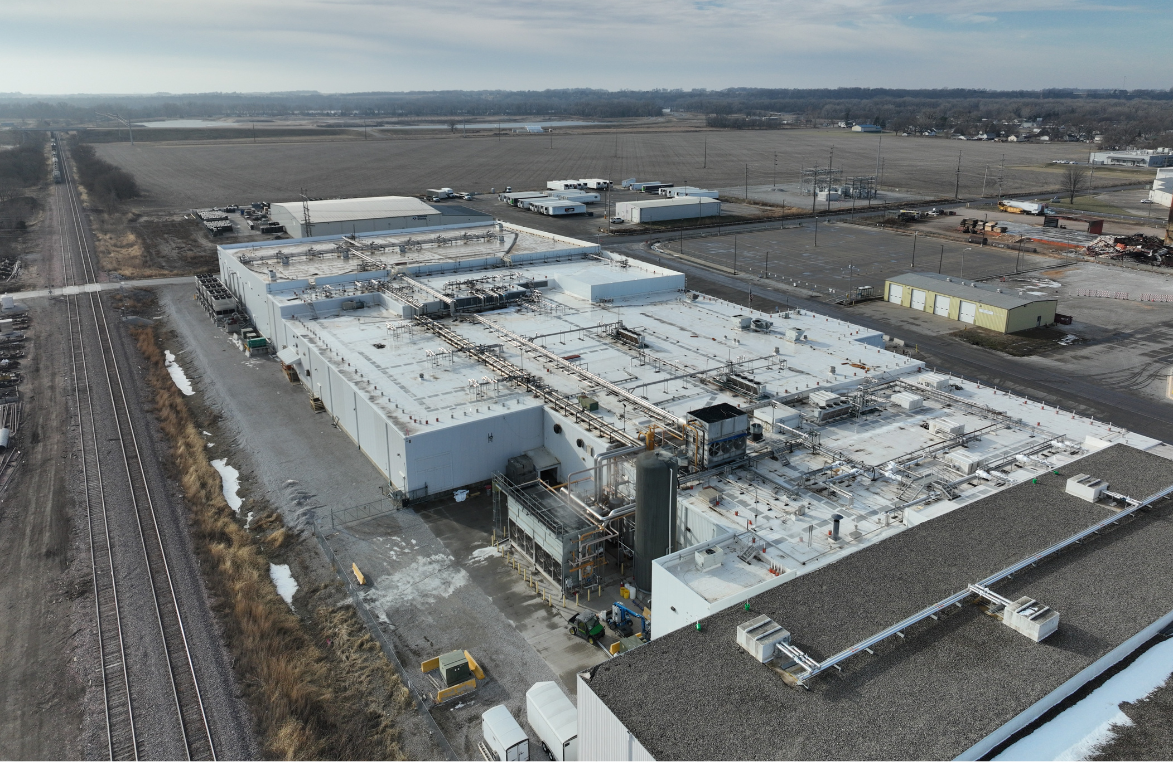
PVC roofing is well suited for commercial buildings where the roof may be exposed to grease, oils, fuels, chemicals, or other demanding conditions. Common applications include restaurants, food processing facilities, manufacturing facilities, airports, and industrial buildings. The appropriate PVC membrane should be selected based on the specific rooftop exposure and project requirements.
How are PVC roofing systems installed?
Elevate PVC roofing systems can be adhered or mechanically attached, with select membranes also compatible with attachment by using InvisiWeld induction-welding. The appropriate installation method depends on the roof deck, roof assembly, wind requirements, and project conditions as well as installation cost considerations.
Is PVC roofing considered a cool roofing option?
Reflective PVC membranes can be used as part of a cool roofing system because they reflect more sunlight and absorb less heat than darker roof surfaces. Select Elevate PVC membranes have published reflectance and Solar Reflectance Index values that may meet certain cool-roof standards. Factors such as membrane color, product selection, and project requirements are important to the determination of whether a particular cool roof standard can be satisfied.
How long does a PVC roofing system last?
The service life of a commercial PVC roof depends on building condition, the substrate, membrane selection, system design, installation quality, climate, rooftop exposure, and ongoing maintenance, among other things. PVC roofing has been used in North America since the 1970s, demonstrating a long history of commercial roof performance. Actual service life varies by project, and warranty length should not be considered the same as expected roof life.
What warranties are available for Elevate PVC roofing systems?
Eligible Elevate PVC roofing systems may qualify for Red Shield™ Limited Warranty coverage with terms that vary by duration as well as membrane thickness, attachment method, and roof assembly. Qualifying 80-mil PVC systems may be eligible for warranty terms of up to 30 years. Consult current Elevate warranty requirements for complete eligibility and coverage details.



 PVC ROOFING PROJECTS


 Knowledge Center